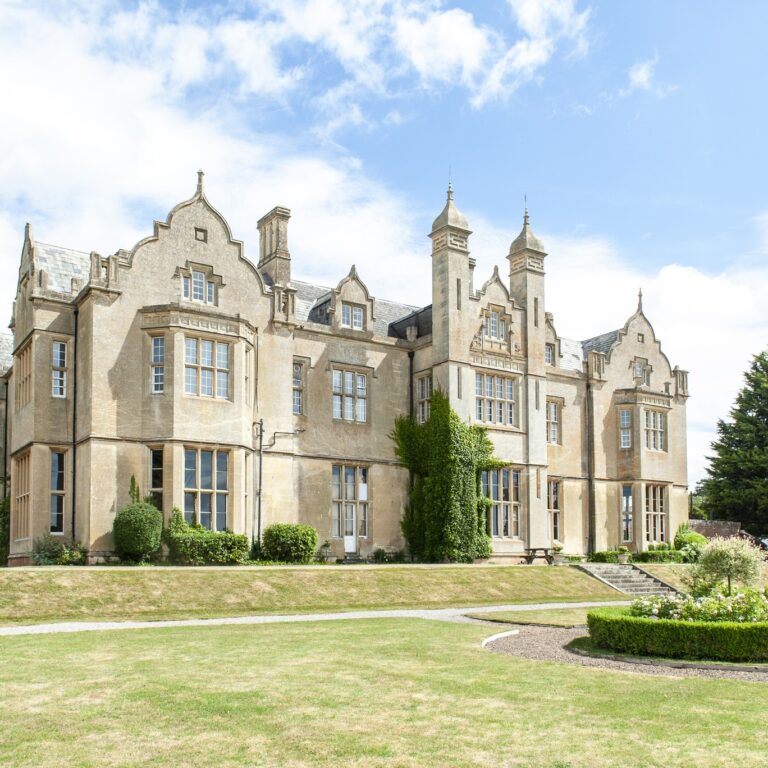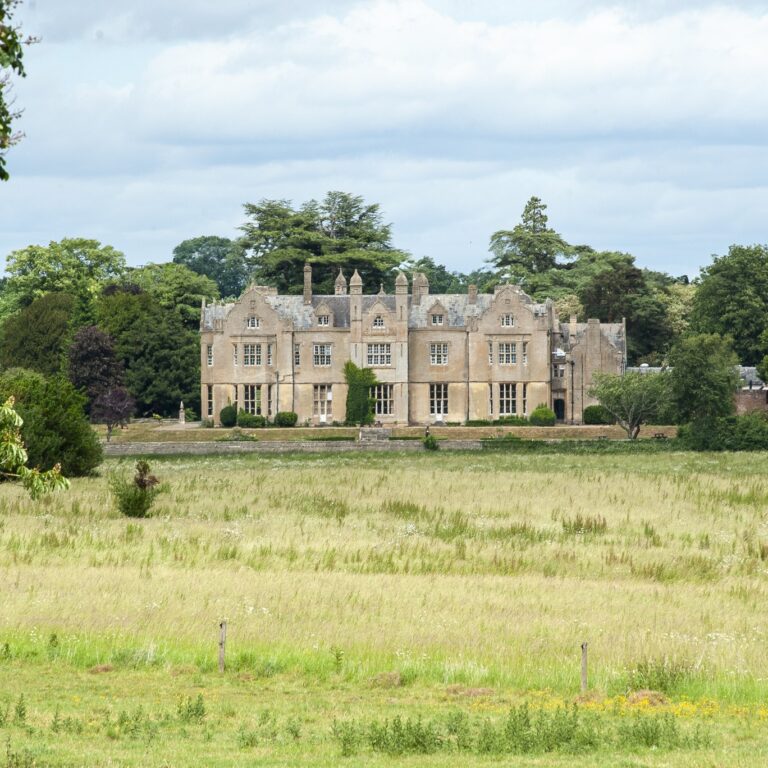
For more than nine centuries, what was originally the ‘Pull’ estate and is now Pull Court has stood quietly at the heart of the English countryside, its story unfolding through every generation. From medieval knights to Georgian chancellors, from daring racing drivers to visionary school founders, each chapter adds depth to its enduring character. Today, as home to Bredon School, Pull Court remains a place where history, imagination and learning walk hand in hand.
Our History
12th century
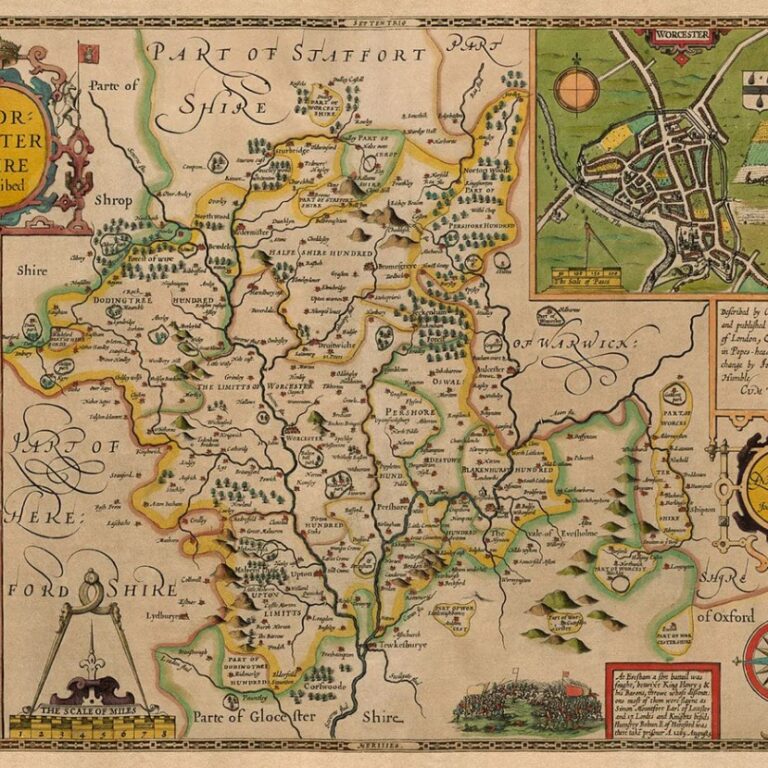
Beginnings in Bushley
The story of Pull Court begins in the 1100s when Simon de Columba holds the land as part of the early Norman settlement of Worcestershire. The surrounding countryside is a patchwork of manors, farmland and forest, forming part of the Severn Valley’s rich agricultural heritage. The estate’s name, ‘Pull’, will endure through centuries of English history, its owners shaping and reshaping it as dynasties rise and fall around them.
1531
The Tyndale Connection
Pull Court is leased to Edward Tyndale, almost certainly the brother of William Tyndale, the radical reformer who first translated the Bible into English. If true, this extraordinary link ties Pull Court to one of the most transformative moments in European history – the Reformation.
1575
Royal transaction
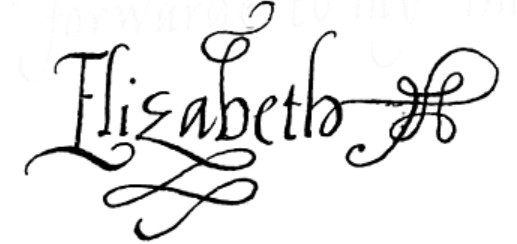
Queen Elizabeth I sells the freehold of Pull Court after the dissolution of the monasteries, placing it firmly into private hands. Her signature on the deed marks a new era for the estate – one of stability, prosperity and evolving ownership.
1628
The Dowdeswell era begins
Roger Dowdeswell, a successful London lawyer, purchases Pull Court with its 340 acres of farmland and woodland. The Dowdeswells become one of Worcestershire’s most prominent families, active in law, politics and agriculture. Over the next 300 years, Pull Court becomes a place of continuity and influence, known for its civic duty and quiet grandeur.
1640s
Civil War and loyalty
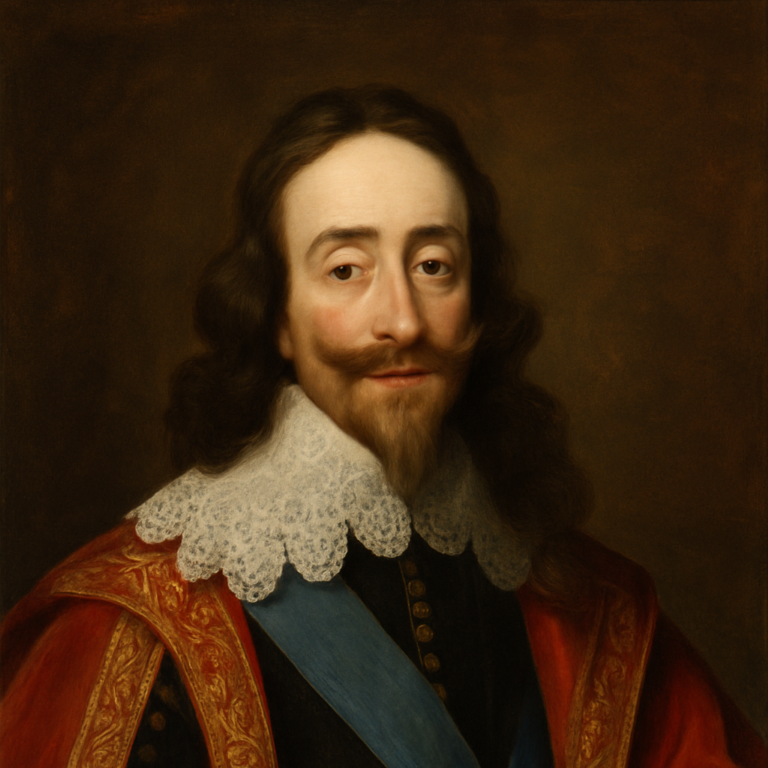
During the English Civil War, Richard ‘the Royalist’ Dowdeswell fights for King Charles I, standing firm in his loyalty to the Crown. As a result, Parliament confiscates the estate, forcing the family into financial hardship. After the Restoration of Charles II, their lands are returned in recognition of their steadfastness.
1765
A Chancellor at Pull Court
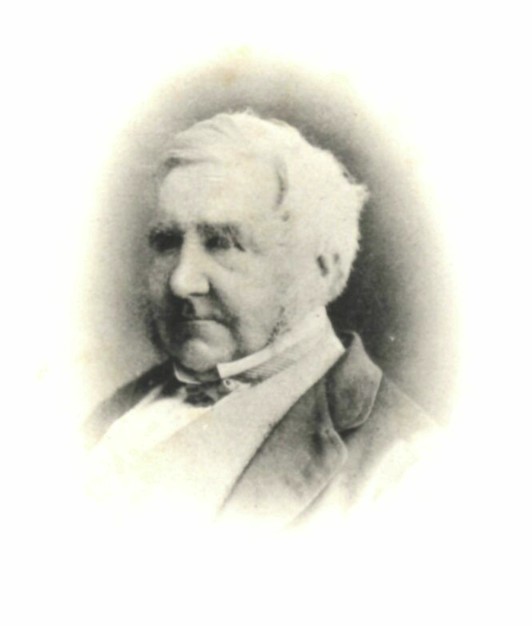
William Dowdeswell, who inherits the estate, rises to become Chancellor of the Exchequer in Lord Rockingham’s government. A man of reforming spirit and fairness, he wins the admiration of local farmers by repealing the unpopular cider tax. Under his stewardship, Pull Court becomes a centre of enlightened conversation and hospitality.
1789
The devoted servant
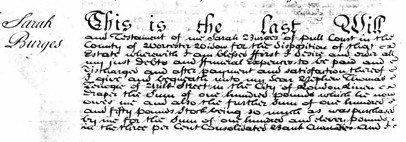
Tragedy strikes the Pull Court household when Sarah Burges, a loyal servant of over 80 years, dies after her clothes catch fire beside her hearth. Her burial record tells us she was 102 years old. Her detailed will shows her affection for the Dowdeswell family and her fellow servants, reflecting the deep human bonds that underpinned life at Pull Court.
1798
The Blind Squire rebuilds Pull Court
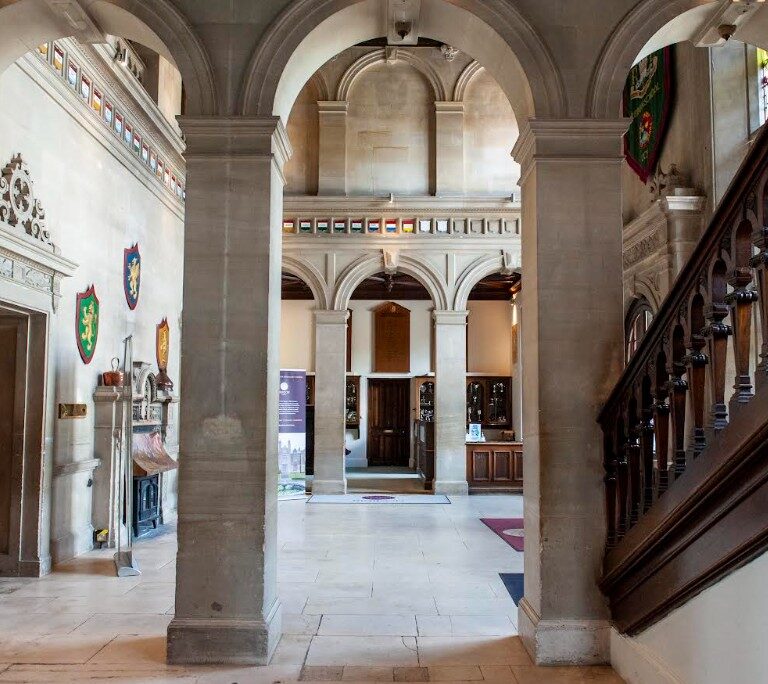
When Thomas Dowdeswell, known as ‘The Blind Squire’, inherits the estate, he undertakes a remarkable transformation. Despite his blindness, he commissions a new Georgian mansion to replace the old Elizabethan house. The result, with tall sash windows, grand staircases and sweeping lawns, is the Pull Court that stands today.
1811
The General returns
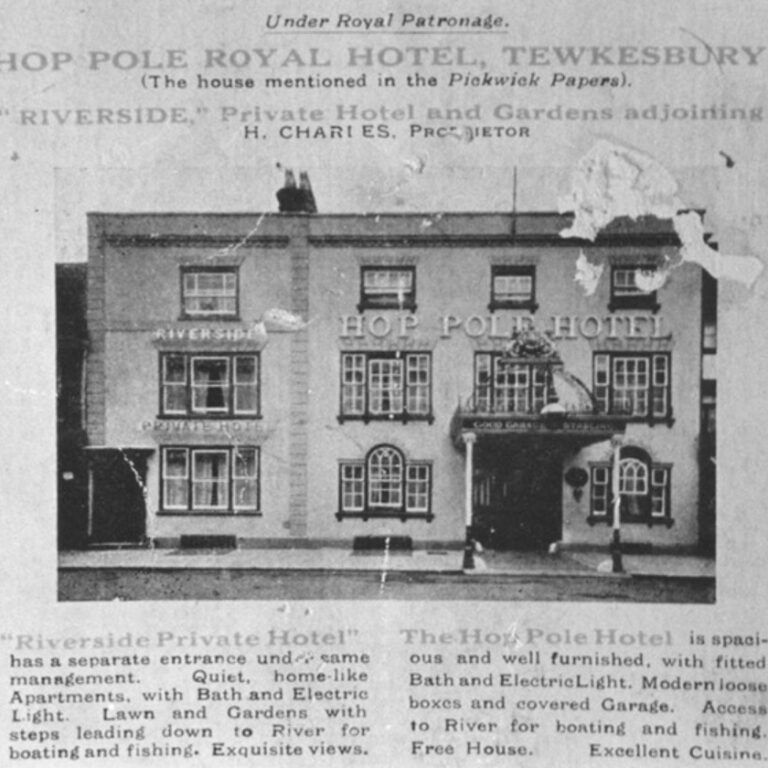
When General William Dowdeswell returns from military service, he brings with him loyal retainers from Lincolnshire, including his butler, William Marks, who later becomes landlord of Tewkesbury’s Hop-Pole Inn – famous for its fine wines and ‘neat post-chaises’. The General’s Pull Court bustles with energy: servants, horses, guests and harvests fill the calendar.
The Victorian & Edwardian years: Life below stairs
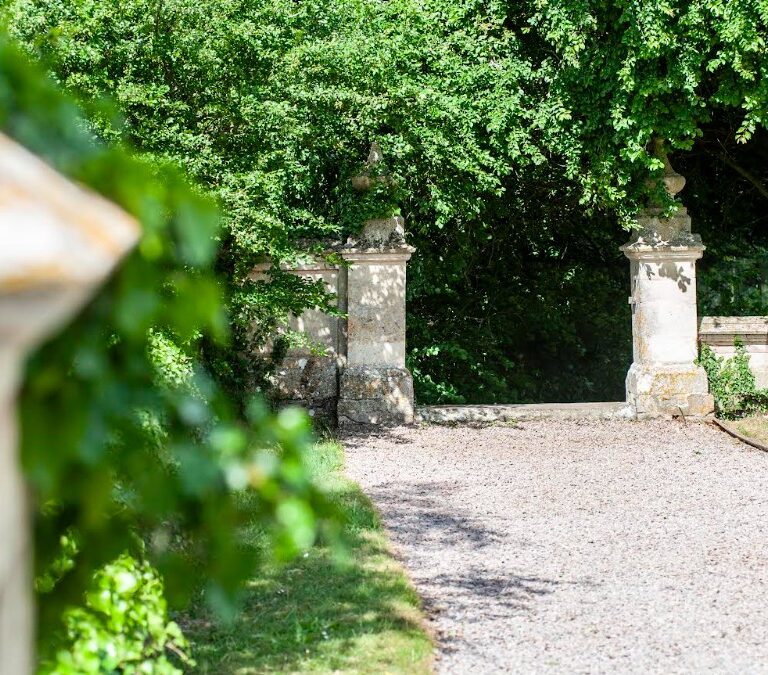
Beneath the Dowdeswells’ polished gentility, an entire microcosm of skill and service keep Pull Court alive and thriving. Census records list butlers, gardeners, cooks, grooms and maids, many from local families who serve for generations. Their lives revolve around the rhythms of the great house: fires to light, horses to groom, gardens to tend.
1933
A socialite’s new home
London heiress Lilian Beattie-Seaman purchases Pull Court, bringing a touch of glamour and modernity to its Georgian halls. A patron of the arts and an accomplished horsewoman, she fills the house with art, laughter and lively company. The lawns host elegant gatherings, the stables hold fine hunters and the interiors glow with life once again.
1938
Speed, fame and heartbreak
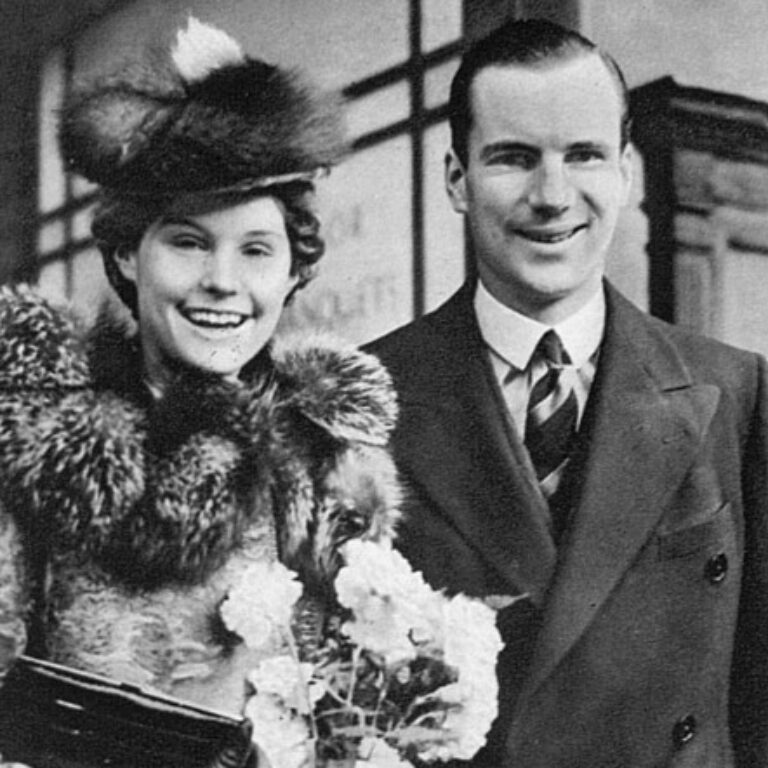
Lilian’s son, Richard ‘Dick’ Seaman, becomes one of Britain’s greatest racing drivers. Talented, fearless and charismatic, he joins the Mercedes-Benz Grand Prix team and achieves international fame by winning the German Grand Prix. His victory is a national triumph but the joy is short-lived. The following year in 1939, aged just 26 and newly married to Erica, he dies in a crash at Spa. His mother never recovers from the loss.
Changing times
After the war and her son’s death, Lilian lives quietly at Pull Court. The grand house, like many English estates, faces the post-war challenge of dwindling staff and rising costs. For a time it falls silent – but its story is not over.
1950s
A prep school finds a home
Pull Court briefly houses a prep school, marking the estate’s first educational chapter. Though small and short-lived, the prep school proves that Pull Court can transform into a place of learning and community.
1962
A new beginning
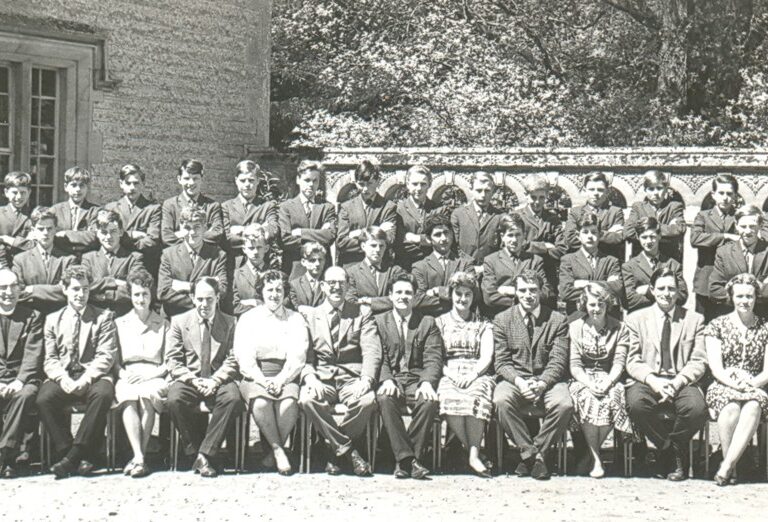
Lt-Col Tony Sharp establishes Bredon School at Pull Court, opening with just 26 pupils. His leadership combines military precision with pastoral warmth and he believes every student has potential waiting to be unlocked through encouragement and structure. Under his guidance, Bredon’s ethos of family, fairness and respect takes firm root.
1977
The steady hand
Brian Llewelyn Thomas, a former soldier and teacher from Wales, and one of the school’s earliest recruits, becomes Headmaster. Calm, kind and endlessly patient, his quiet leadership style builds trust across the community. Generations of pupils remember him as a mentor and friend.
The visionary educator
Hugh Jarrett had already founded a successful school before joining forces with Sharp and Thomas. His belief in ‘learning by doing’ helps define Bredon’s unique educational philosophy – blending academic rigour with outdoor experience and creative exploration. Jarrett inspires pupils to see learning as an adventure.
1970s & 80s
Growth and innovation
As Bredon expands, its founders’ vision blossoms into a thriving community. The school farm becomes central to its ethos, while new facilities, workshops and outdoor programmes reflect a deep belief in learning by experience. At a time when support for dyslexic learners is rare, Bredon leads the way, demonstrating that education can be tailored, dynamic and joyfully hands-on.
1979
Part of television royalty
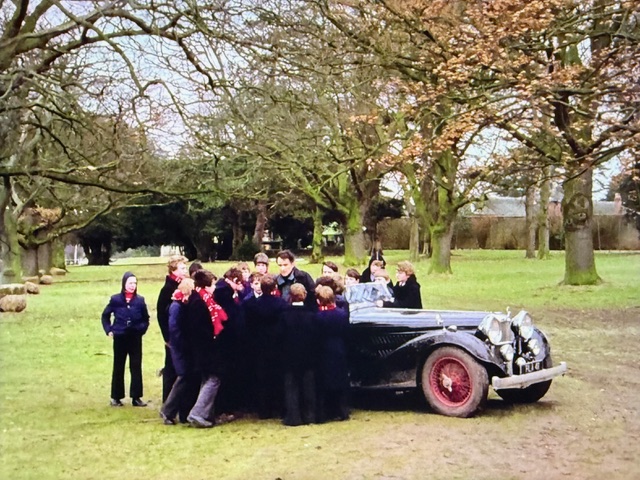
Pull Court is chosen as a filming location for the BBC’s acclaimed adaptation of John le Carré’s Tinker, Tailor, Soldier, Spy starring Sir Alec Guinness as George Smiley. Pull Court’s timeless architecture provides the perfect backdrop for intrigue and espionage. The series goes on to win three BAFTAs.
Enduring names, lasting legacy
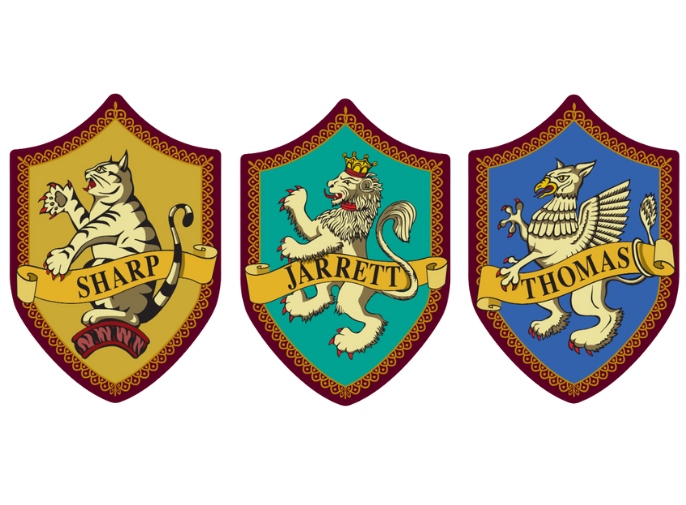
When Brian Thomas retires, his name – along with those of Sharp and Jarrett – is immortalised in the school’s three Houses. Their legacy endures not only in the buildings and grounds of Pull Court but in the spirit of every pupil who passes through its doors.

2014
A new chapter in Bredon’s history
Bredon becomes part of the Cavendish Education family, founded by Aatif Hassan (also the Founder of Dukes Education). Aatif, who has served in the British Army and is himself dyslexic, describes Bredon as “the school I wish I had been to”. His leadership brings a deep personal connection to the school’s specialist ethos and a fitting sense of continuity between Bredon’s military heritage and its proud commitment to helping every learner thrive.